





In a world saturated with screens, notifications, and algorithmically targeted content, marketers are fighting harder than ever for one scarce resource: genuine human attention. Yet one of the most powerful sensory channels available to brands remains almost entirely untapped in the digital conversation — smell.
Scent marketing has existed for decades, quietly shaping consumer behavior in hotels, retail stores, and casinos. But something fundamental is changing. The convergence of AI, IoT connectivity, biometric data, and immersive technology is transforming fragrance from a passive atmospheric tool into something far more precise, personal, and measurable. We are entering the digital age of scent marketing, and the opportunity it represents is significant.
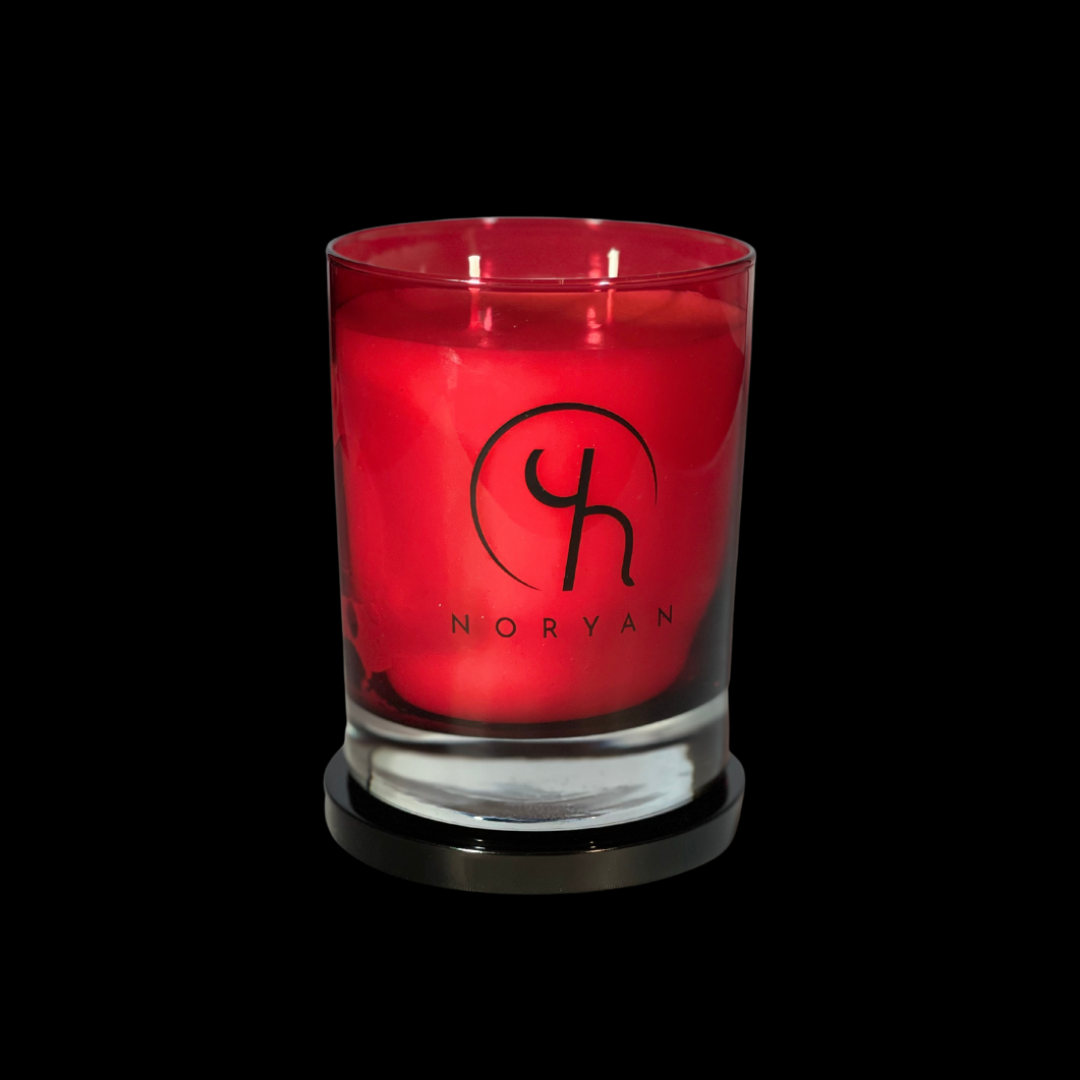
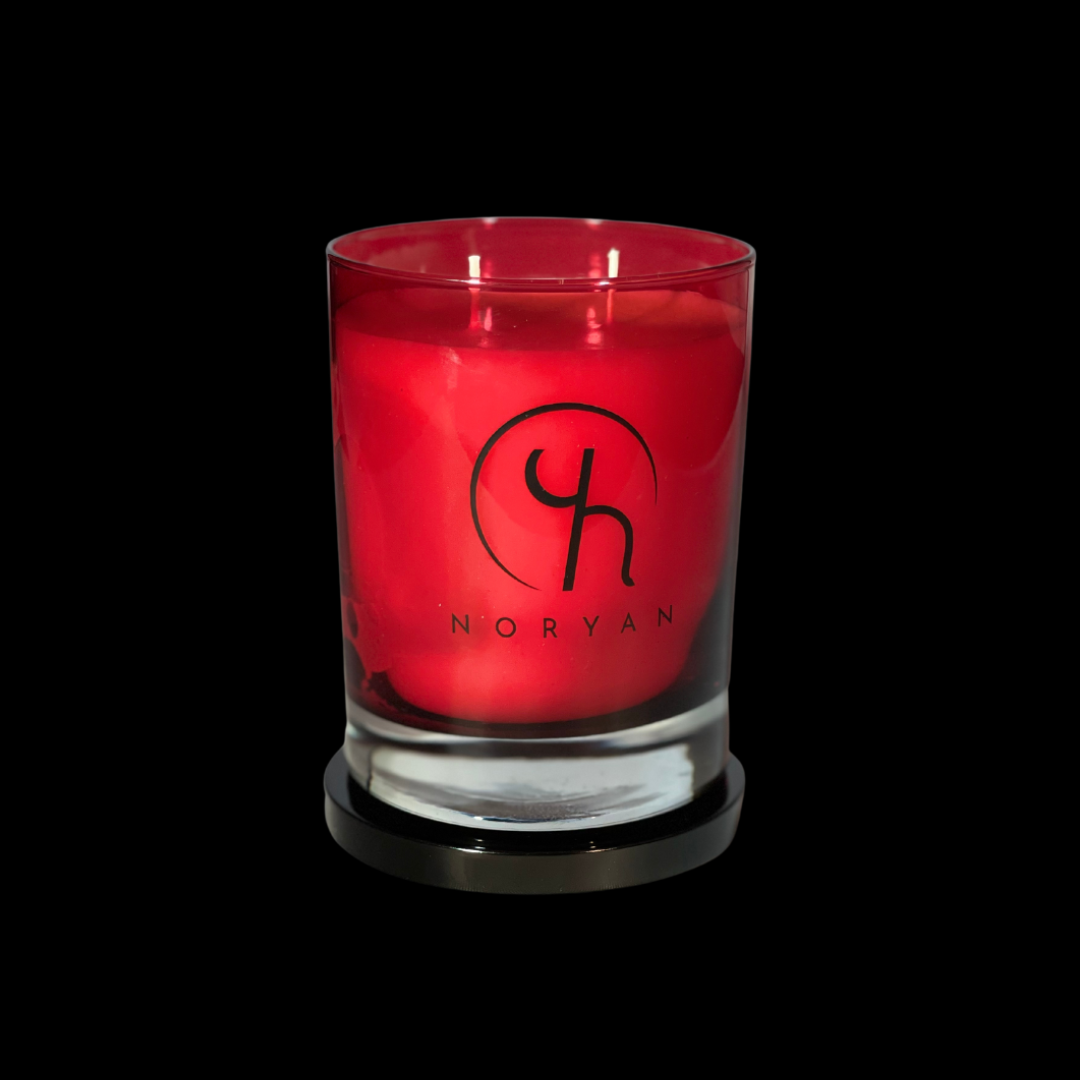
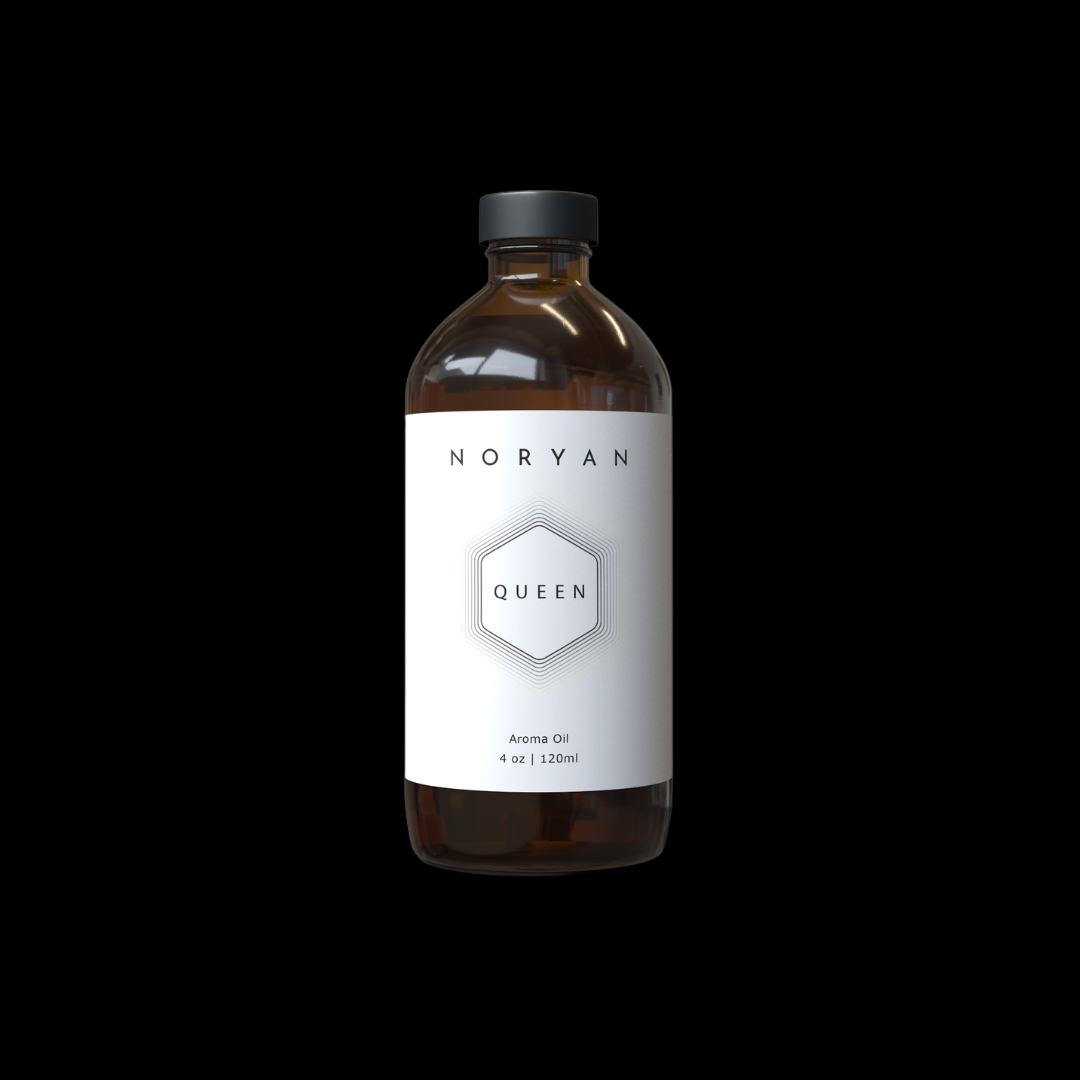
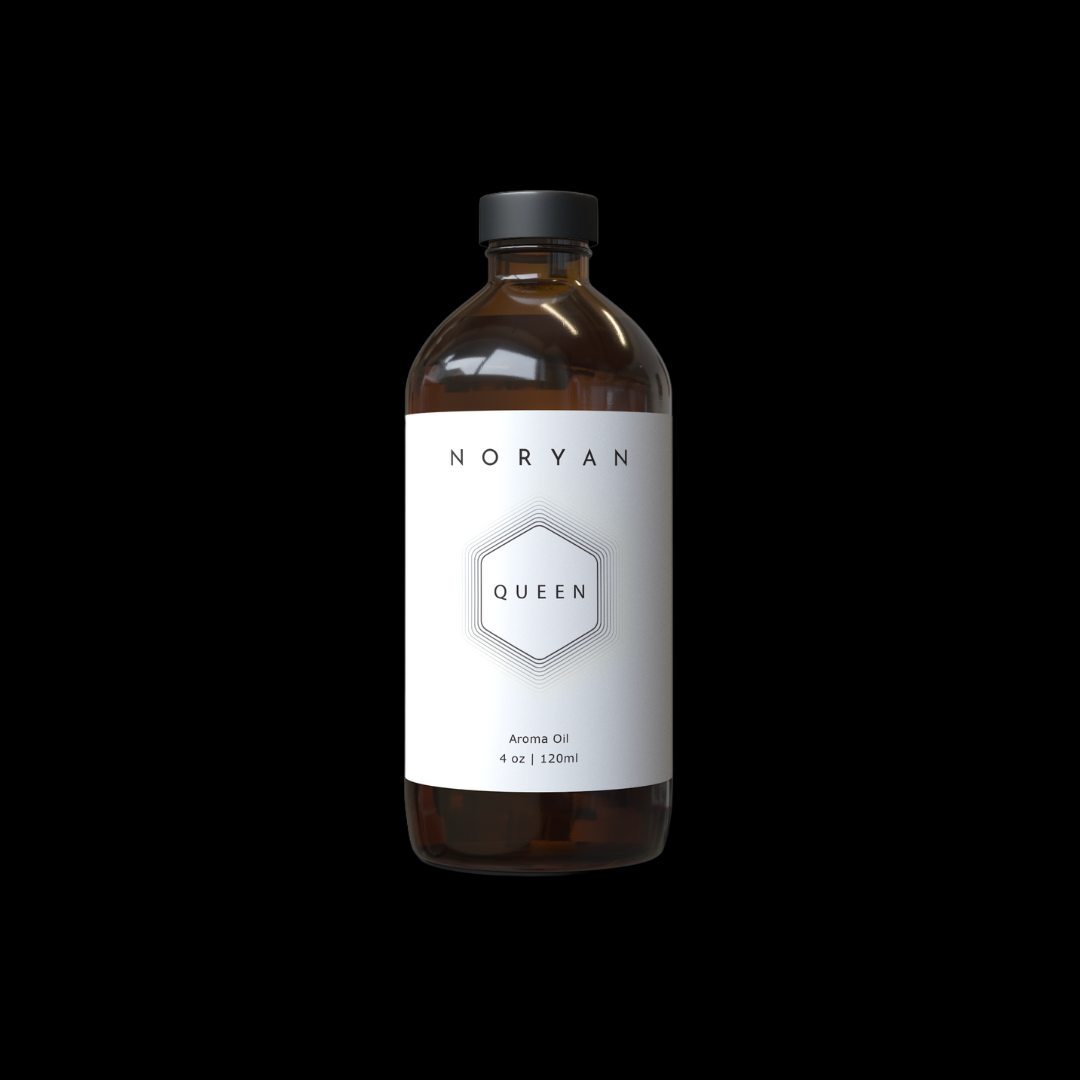
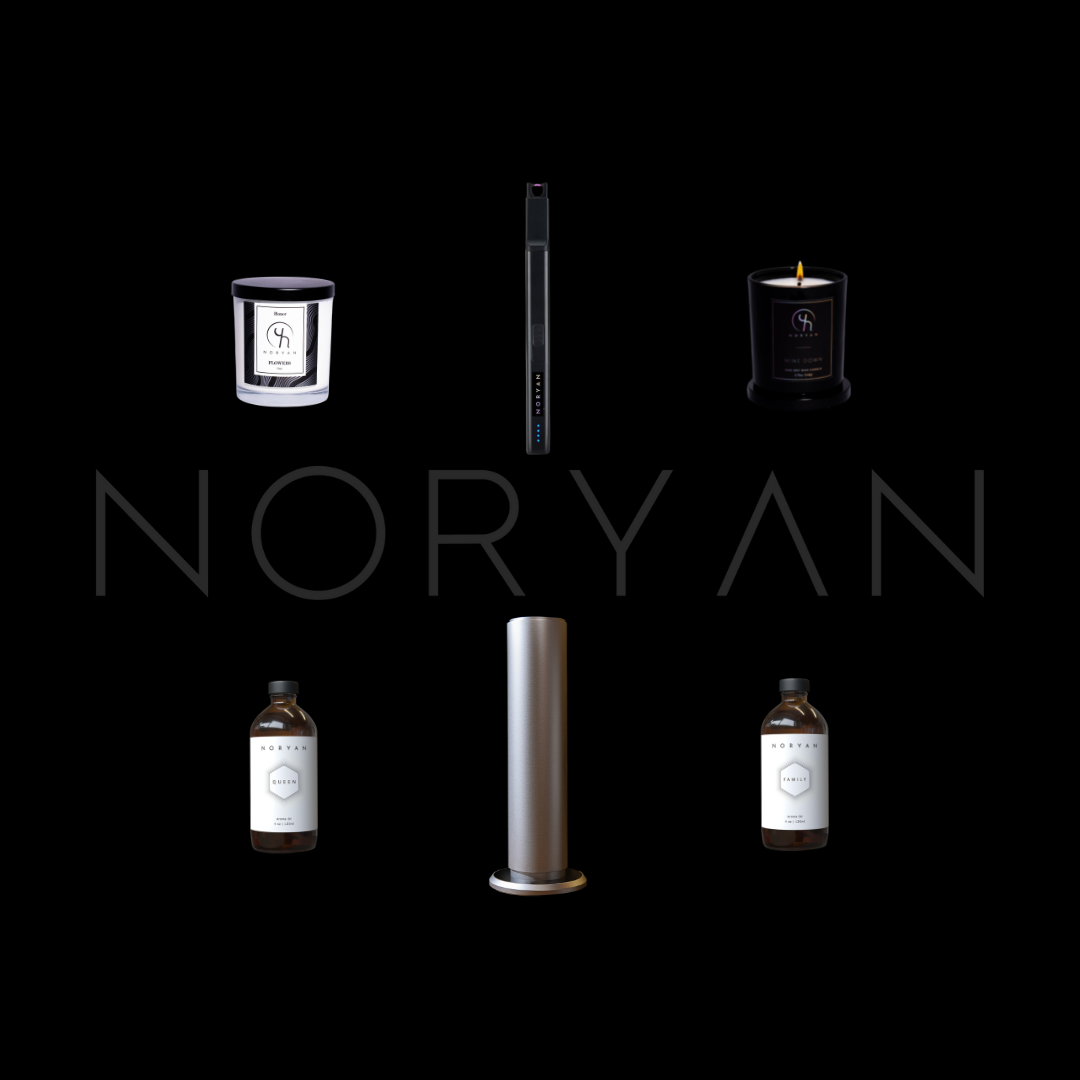
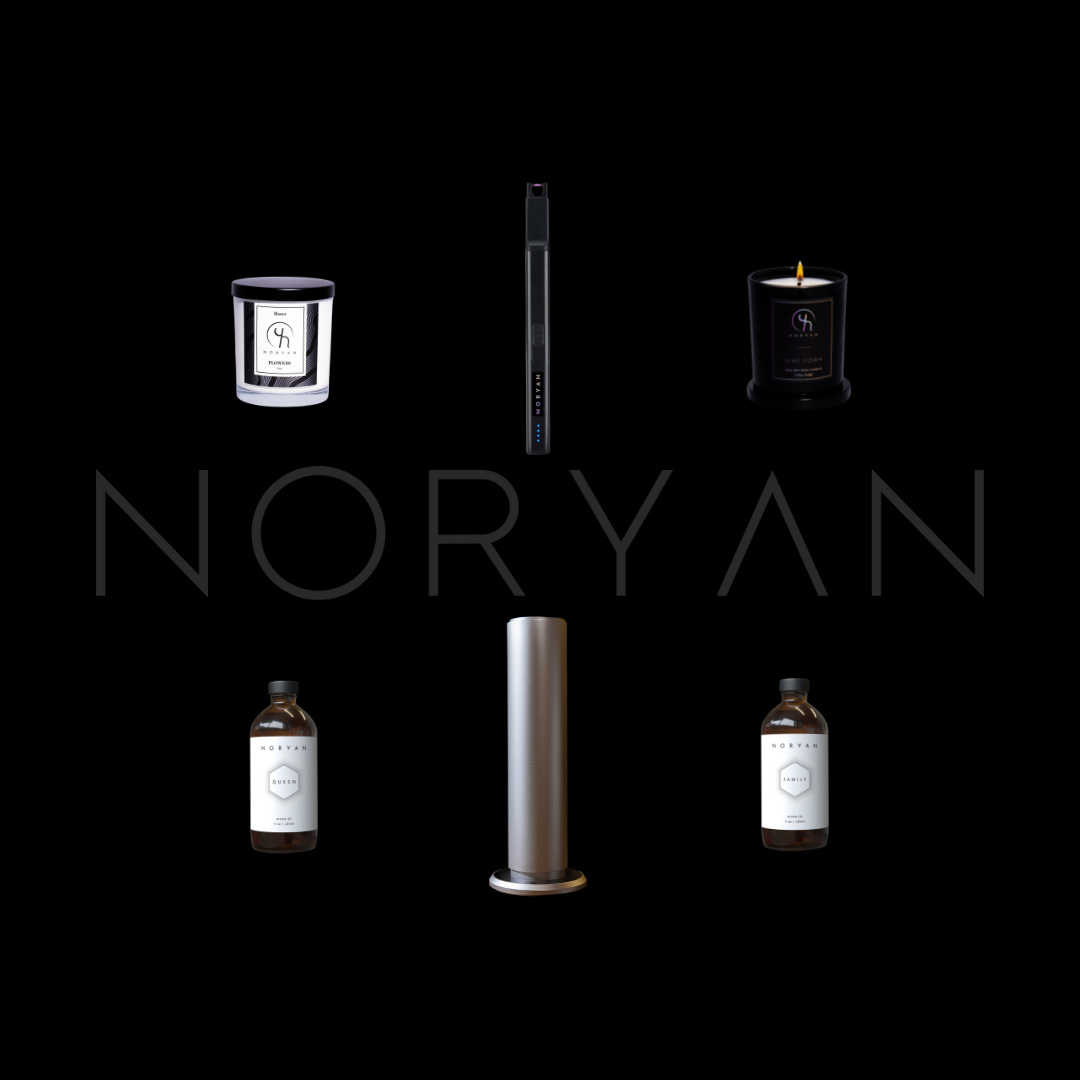
At Noryan, we believe fragrance is not a finishing touch. It is infrastructure. Here's what that means for brands paying attention.
The Science That Makes Scent Unstoppable
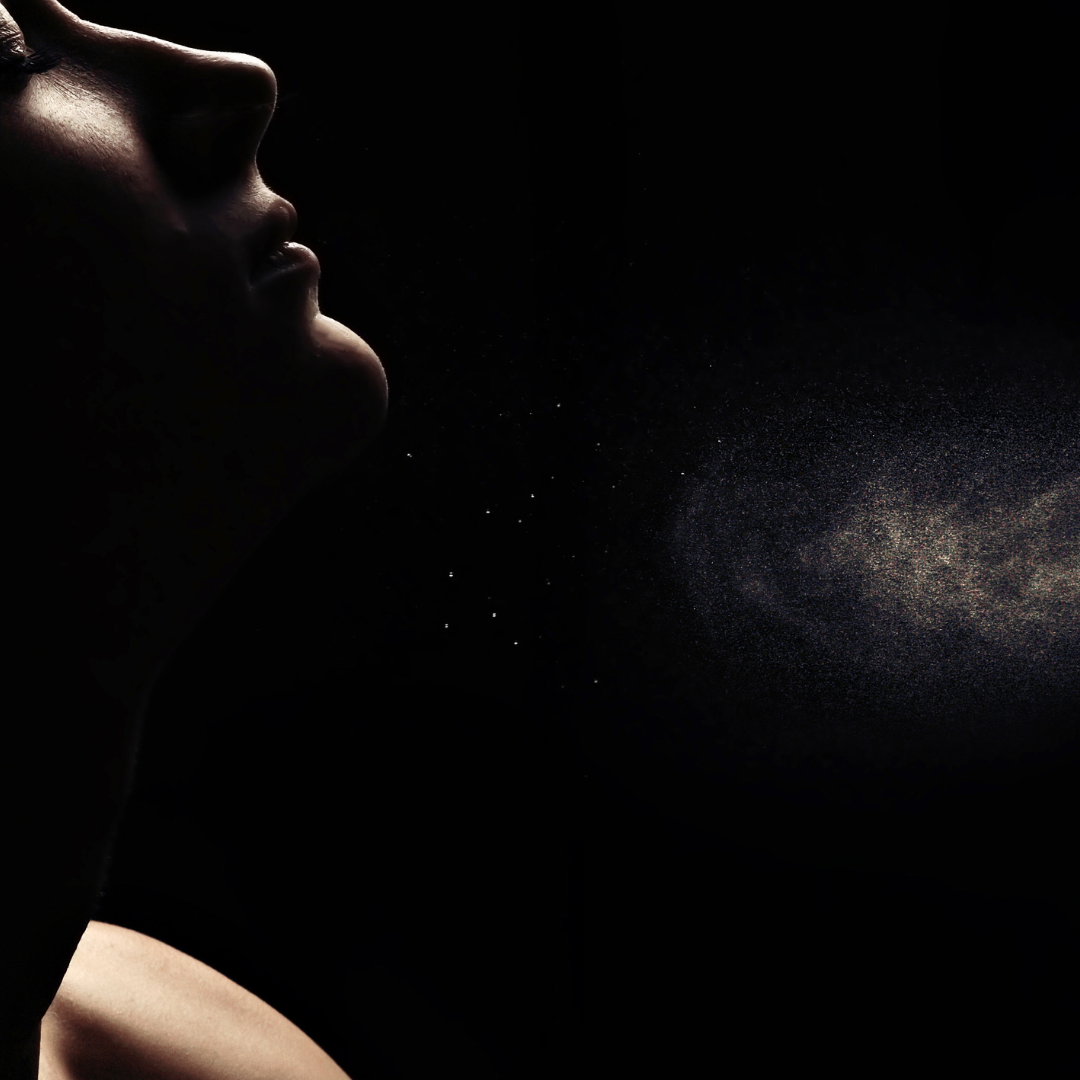
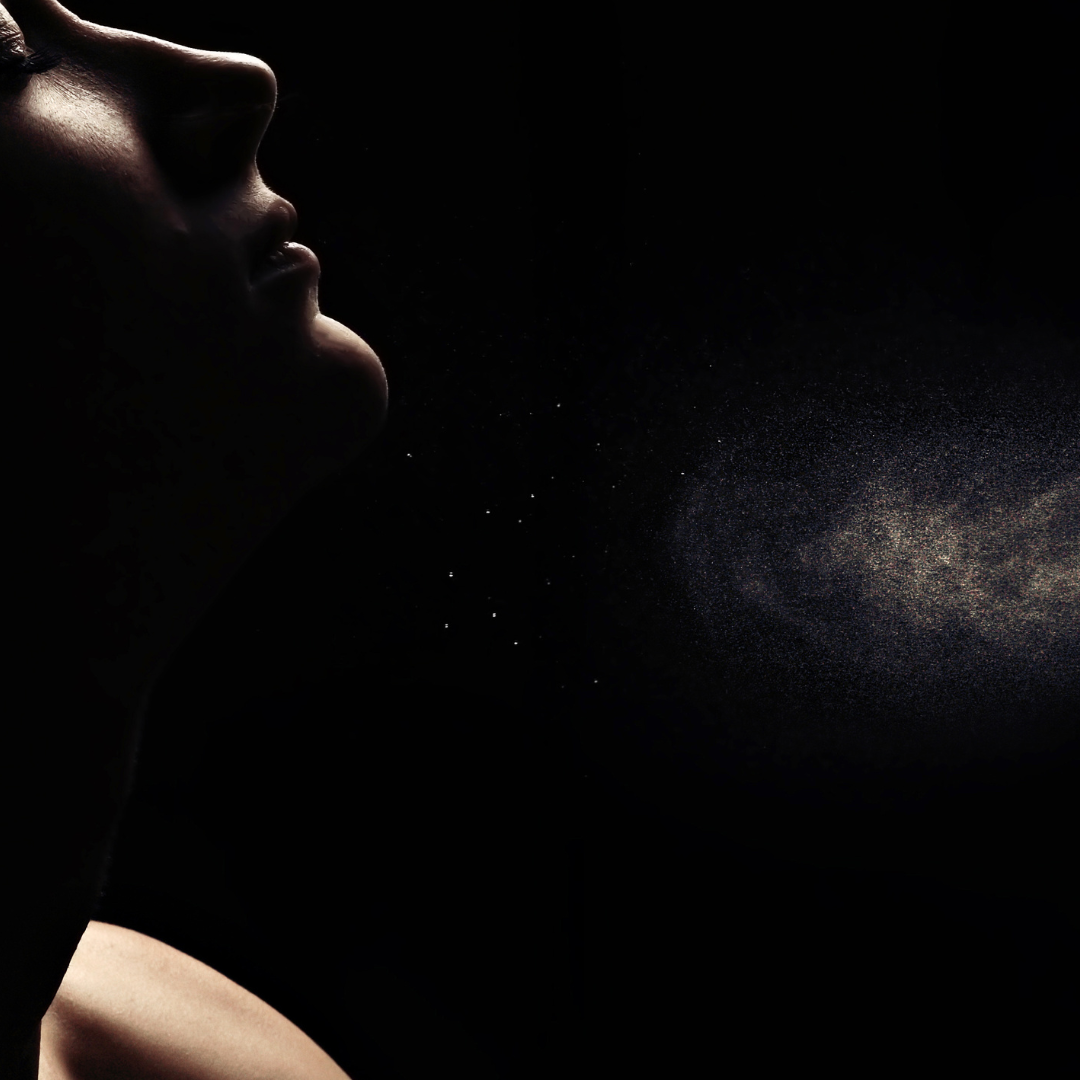
Before exploring the technology, it helps to understand why scent works so differently from every other marketing channel. Unlike sight or sound, the olfactory system has a direct neural pathway into the limbic system, the brain's center for memory, emotion, and motivation. Every other sense is filtered through a thalamic relay before reaching conscious awareness. Smell arrives first, faster, and more intimately.
The result: scent-triggered memories are more vivid, more emotional, and more durable than those triggered by any other sense. Research suggests people are dramatically more likely to recall a scent than an image or a piece of music encountered at the same moment. For marketers, this isn't a soft differentiator — it's a neurological advantage.
This is the foundation on which the entire future of scent marketing is being built: a sensory channel with unmatched psychological reach, now being paired with tools precise enough to deploy it strategically at scale.
|
The Noryan Perspective Scent is not decoration — it is architecture. The right fragrance, delivered in the right context, doesn't just create atmosphere. It creates memory, loyalty, and identity. The brands that understand this earliest will have a durable advantage that no algorithm can replicate. |
Smarter Tools: How Technology Is Reinventing Scent Delivery
The first generation of commercial scent marketing relied on simple timed diffusers — passive, static, and largely unmeasurable. What's being built now is fundamentally different.
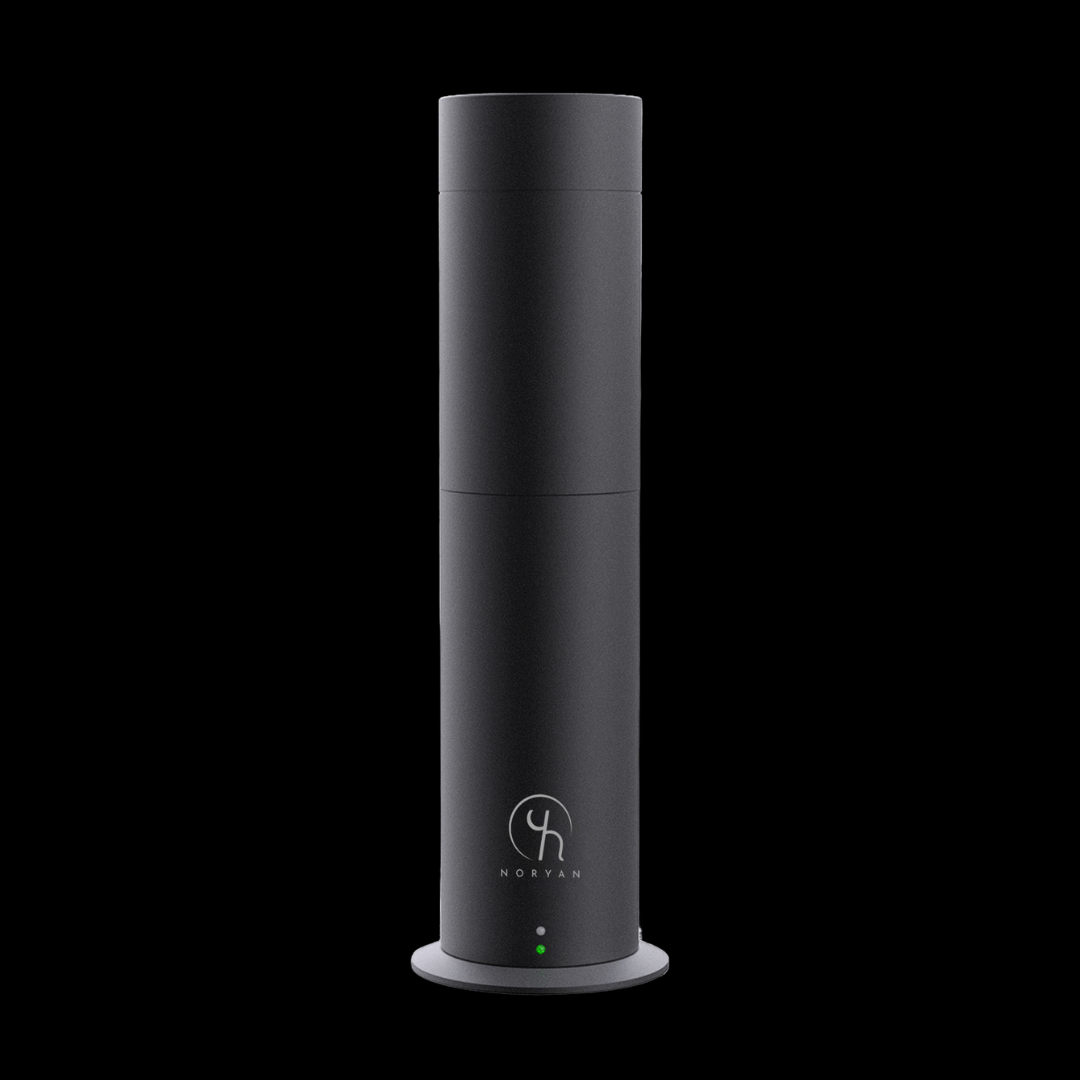
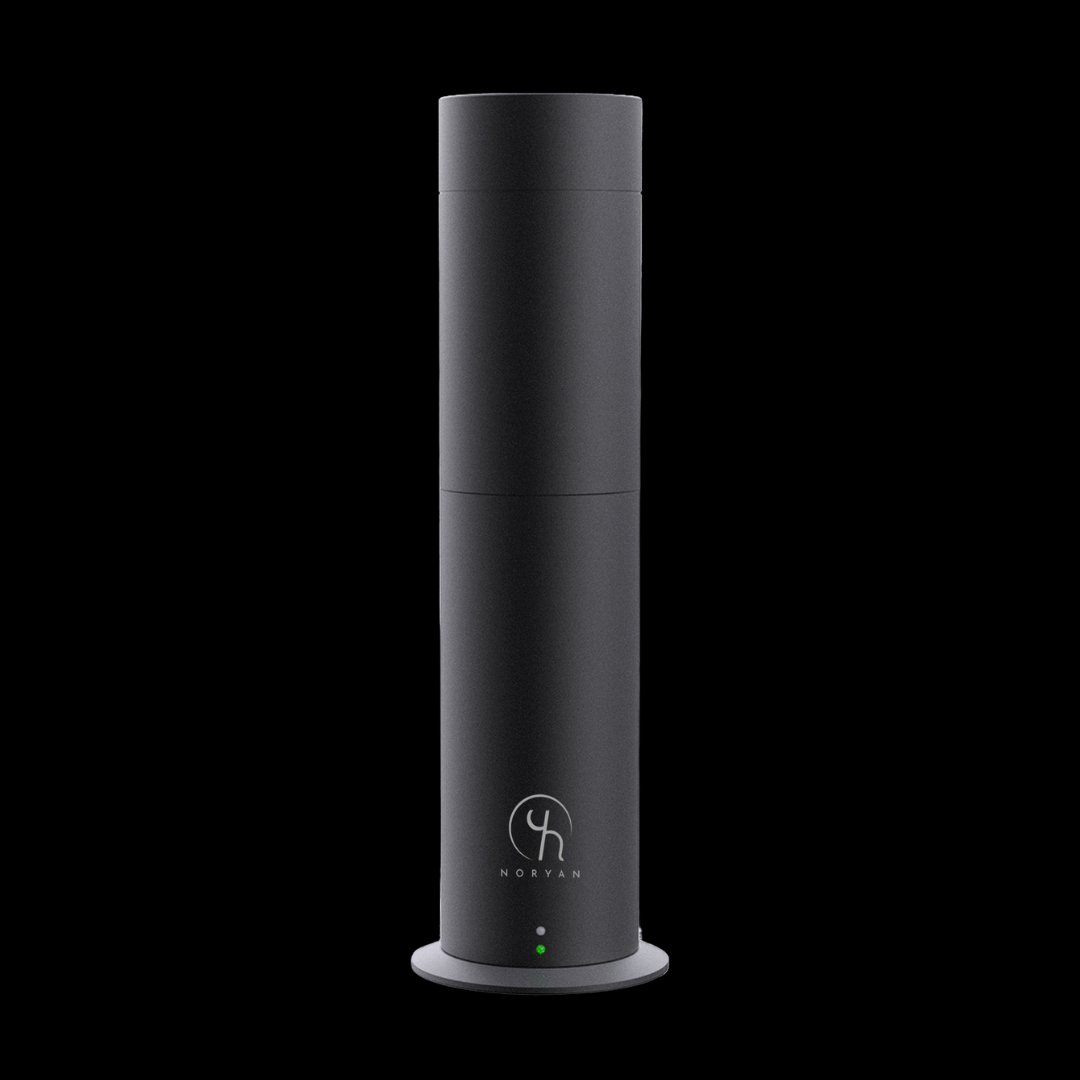
Modern IoT-connected diffusers can be managed through cloud-based dashboards, allowing brands to schedule fragrance diffusion by time of day, day of week, season, or even real-time customer traffic patterns. Scent can be synchronized with lighting, music, and temperature to create fully harmonized sensory environments — spaces that feel coherent and intentional rather than assembled from independent pieces.
AI is pushing this further. Platforms are beginning to correlate specific scent profiles with downstream outcomes — foot traffic, dwell time, conversion rate, cart size. This transforms fragrance from a qualitative 'feel good' investment into a testable, optimizable marketing variable. A/B testing scents. Measuring uplift. Attributing revenue to aroma. These are no longer theoretical capabilities.
The near future points toward something even more sophisticated: diffusion systems that learn in real time, adapting fragrance intensity and profile based on environmental conditions, time, or biometric signals from customers in the space. Scent marketing will become as data-driven and dynamic as any digital campaign — with the added advantage that consumers don't perceive it as advertising at all.
The brands winning the attention economy won't just be seen or heard — they'll be felt, tasted, and above all, remembered. Scent is how you get to remembered.
Case Study: When a Smell Replaced a Logo
In 2024, McDonald's Netherlands ran a campaign that demonstrated the raw power of olfactory branding more vividly than any whitepaper could. Working with creative agency TBWA\NEBOKO, the brand installed minimalist red-and-yellow billboards across Dutch cities that emitted the unmistakable smell of their French fries — with no logo, no tagline, no imagery.
The scent alone did the work. A subsequent street survey found that 87% of passersby recognized the brand from the aroma alone, and 71% could specifically identify the smell of French fries. Foot traffic to nearby locations increased measurably. The campaign won awards not just for creativity but for effectiveness.
The lesson for brand strategists is striking: decades of consistent sensory exposure had made McDonald's French fry scent a more reliable brand identifier than their visual identity in that context. The aroma had become the logo. This is what long-term, intentional scent strategy produces — and it has implications far beyond fast food.
For Noryan, this is the territory we're helping brands navigate: building the kind of olfactory identity that becomes so associated with an experience that fragrance alone triggers recognition, affinity, and desire.
|
Building an Olfactory Brand Identity Just as visual brand standards govern color, typography, and imagery, a scent identity requires consistency, intentionality, and longevity. The brands that will benefit most from the digital age of scent marketing are those investing now in defining and owning a signature fragrance — before their competitors do. |
The Next Frontier: Scent in Virtual and Immersive Spaces
The most forward-looking application of digital scent technology is also the one that sounds most like science fiction: olfactory integration in virtual and augmented reality environments.
As the metaverse concept matures and VR hardware becomes more mainstream, brands are beginning to explore what it would mean to make digital experiences genuinely multi-sensory. The answer increasingly involves smell. Specialized scent-emitting devices — worn on headsets or positioned near users — can deliver targeted aromas synchronized to virtual environments, transforming a flat digital experience into something that engages the whole body.
The commercial applications are considerable. A cosmetics brand could let customers sample a fragrance before purchasing it, in a virtual setting. A food brand could enhance a digital experience with the aroma of their product. A real estate platform could let prospective buyers 'smell' a freshly renovated kitchen or pine-scented mountain home. Gaming environments could deepen immersion with environmental scents tied to narrative moments.
Imagine stepping into a virtual version of a brand's flagship store — the architecture rendered in perfect detail, the ambient lighting calibrated, and the signature house scent filling the air. Not metaphorically. Literally.
Olfactive Virtual Reality (OVR) technology is still in early stages, but its trajectory is clear. As the digital and physical worlds continue to converge, the brands positioned with a defined scent identity will be ready to extend that identity into every new environment — physical or virtual — where their customers appear.
What This Means for Your Brand
The digital age of scent marketing is not a distant possibility — it is a present-tense strategic opportunity. The tools exist. The science is established. The early results, from ambient retail environments to viral billboard campaigns, are compelling.
What's missing for most brands is not technology or evidence. It's intention. Scent strategy requires the same deliberate investment that visual identity, brand voice, and content strategy receive. It requires thinking about fragrance not as a mood enhancer but as a communication channel — one with a direct line to the part of the brain where loyalty is formed.
At Noryan, our work begins with that intention. We help brands define a fragrance identity that is coherent, consistent, and built to last — then deploy it across physical environments with the precision that modern diffusion technology makes possible. The results compound over time, just as all great brand investments do.
The future of brand experience will be multi-sensory. The brands shaping it now are the ones who will be remembered.
Sources
Vlahos, J. (2007). Scent and the science of olfactory memory.
Fast Company — "McDonald's Scented Billboard Is A Stroke Of Marketing Genius" (2024)
fastcompany.com/91090407/mcdonalds-scented-billboard-is-a-stroke-of-marketing-genius
tbwacannes.com/news/smells-like-mcdonalds-mcdonalds-netherlands/
NORYAN · nor-yan.com
Scent as strategy. Fragrance as identity.


