

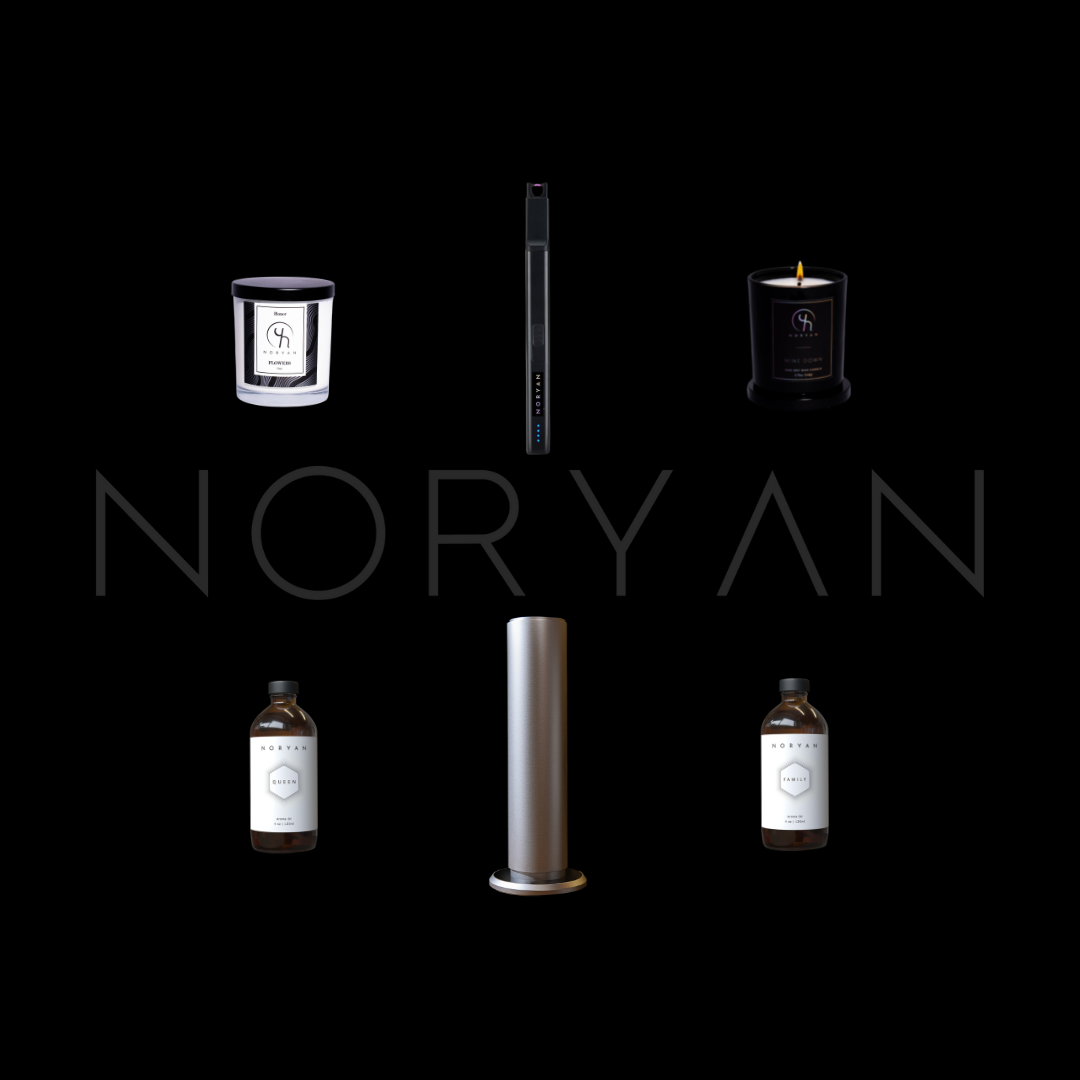
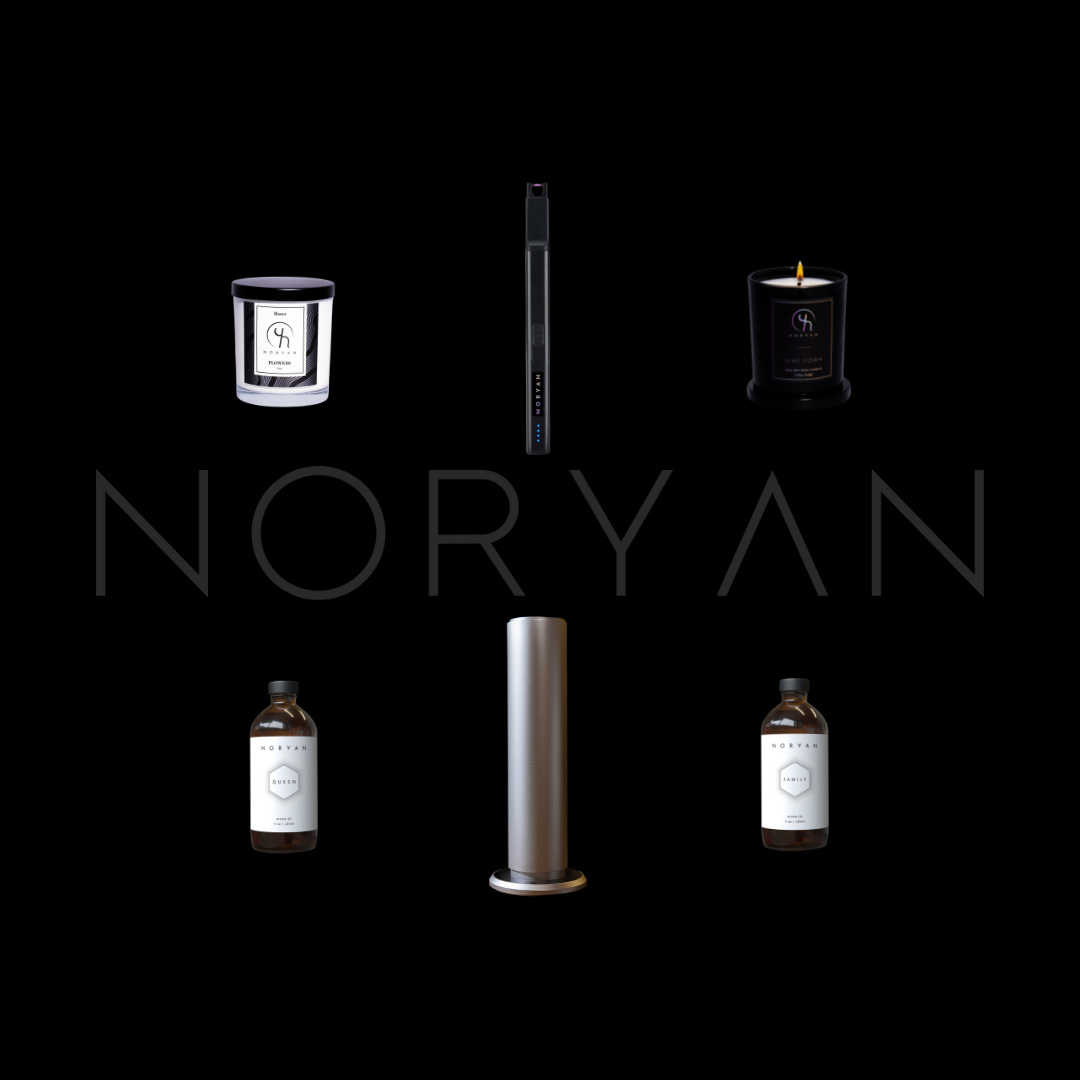


NORYAN WELLNESS
We live in an era obsessed with self-improvement. Morning routines, mindful eating, fitness challenges, and meditation apps have become a shared language. Yet for many of us, habits still slip. We start strong and lose momentum. What if the missing piece wasn't willpower, but something far more primal: scent?
Fragrance has a direct line to the brain's emotional and memory centers, bypassing the rational mind entirely. That's not just poetry, it's neuroscience. And it means that the right scent, used consistently, can quietly train your brain to enter a particular mental state on cue.
At Noryan, we believe wellness isn't only about what you do, it's about how you experience it. Turning a habit into a sensory ritual changes everything.
How Habits Actually Form
The brain is a pattern-recognition machine. It constantly looks for shortcuts: behaviors it can automate so that conscious energy can be reserved for things that truly need attention. This is the foundation of habit formation.
Behavioral scientists have identified a simple loop at the heart of every habit: a trigger, a response, and a reward. The trigger tells the brain something familiar is about to happen. The response is the behavior itself. The reward reinforces it, signaling that this pattern is worth keeping. Repeat this loop enough times, typically over two to three months, and the behavior begins to run on autopilot.
The most durable habits attach themselves to existing anchors in your day. Your morning coffee. Your commute. The moment you close your laptop. These moments already carry routine energy; layering a new behavior onto them gives it a natural launching pad.
But there's a layer most habit guides overlook: sensory engagement. When you involve your senses in a habit, particularly smell, you're not just building a routine. You're encoding a memory. And memories are far harder to break than schedules.
Why Scent Changes Everything
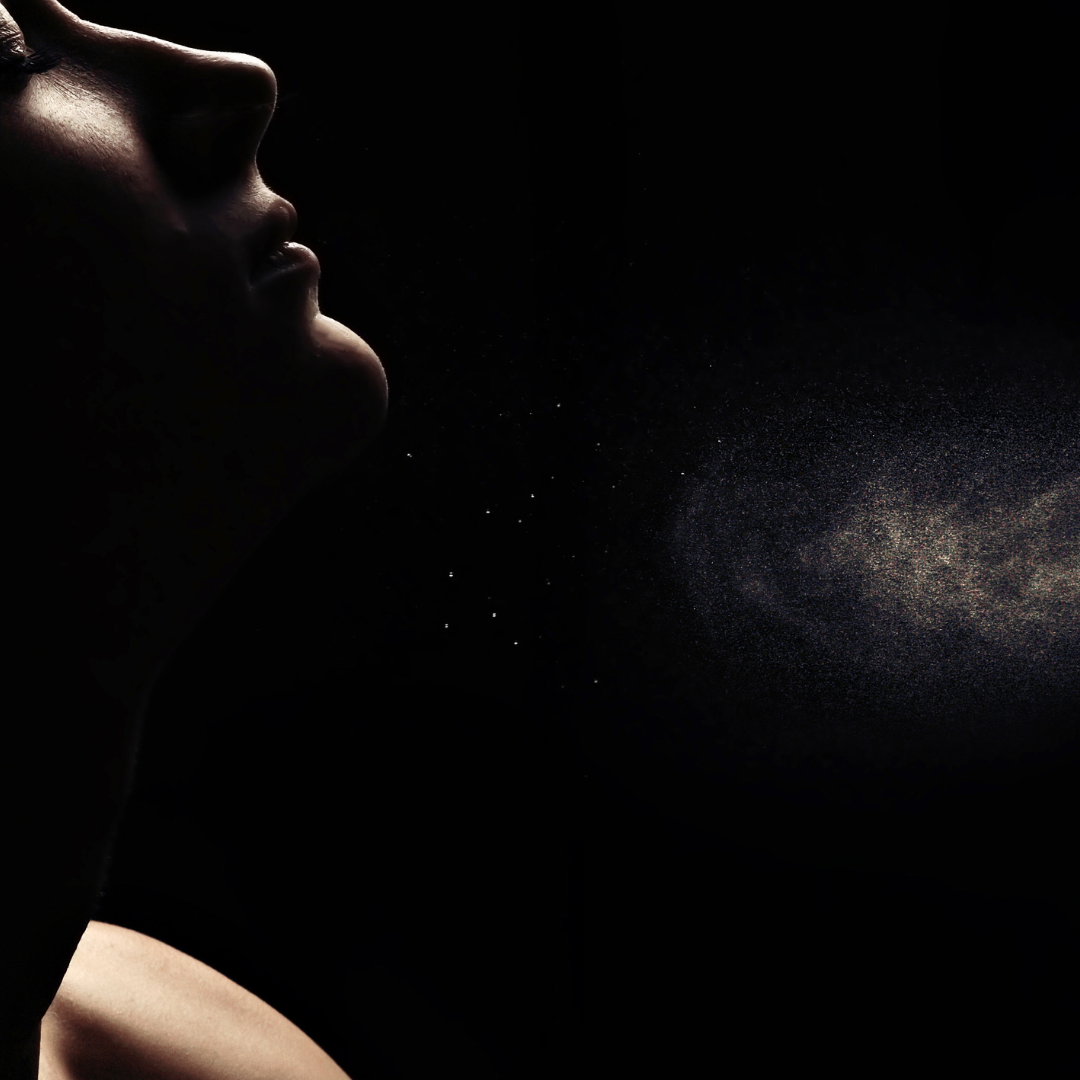
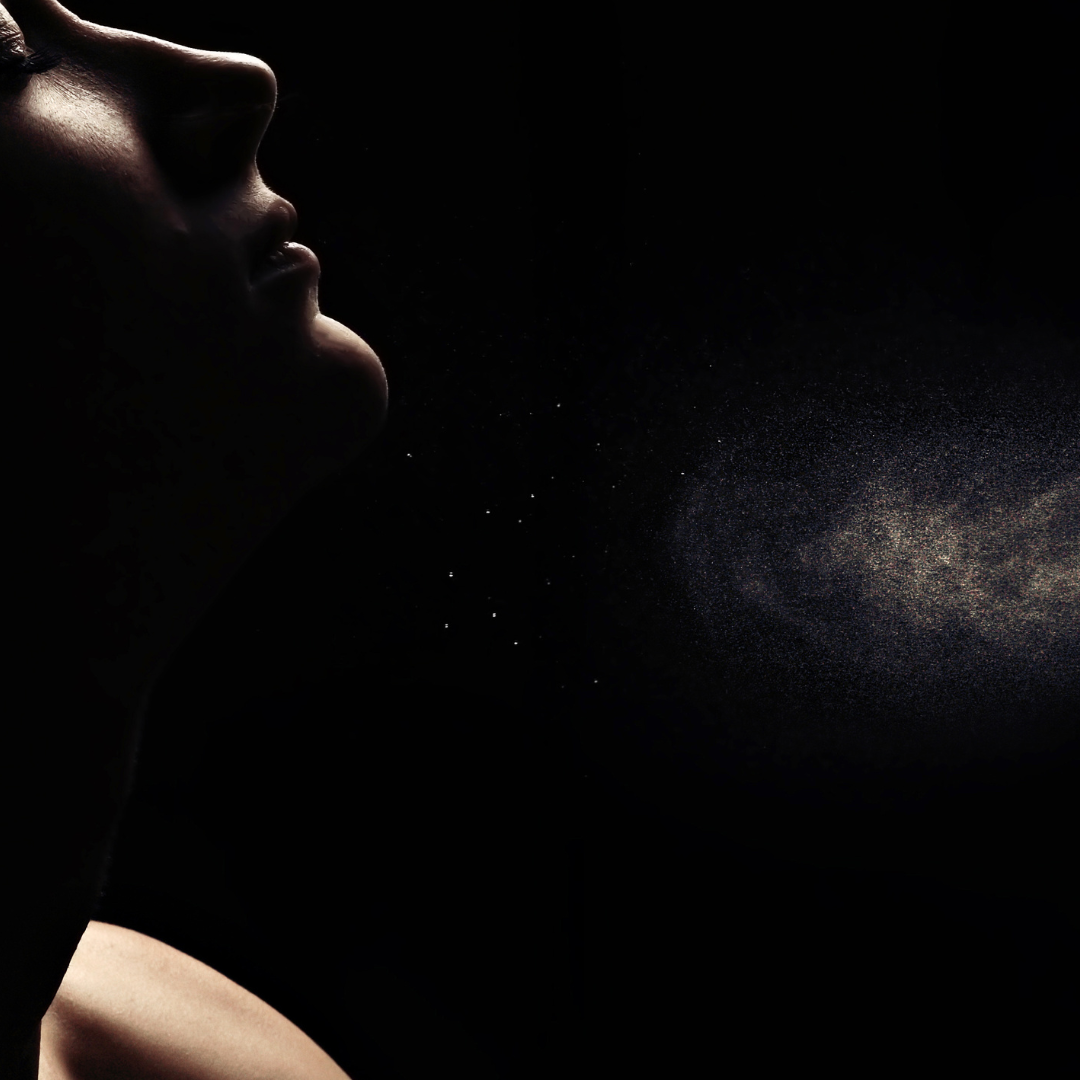
Of all our senses, smell is the only one with a direct neural pathway to the limbic system, the part of the brain governing emotion, motivation, and long-term memory. Sight, sound, touch, and taste all pass through a sensory relay station first. Scent does not. It arrives instantly, intimately, before you've had time to think about it.
This is why a particular fragrance can transport you back to a childhood kitchen or a long-ago summer — and why it can just as powerfully anchor you in the present moment. Behavioral psychologist Joan Tarrida Vidal describes it this way:
"Even a quick whiff of an odor can leave a lasting trace in the brain, one that lingers for several seconds after the smell is gone and can subtly influence how we remember things that happen moments later."
For habit-building, this quality is extraordinary. When you use the same scent every time you sit down to work, meditate, or wind down for sleep, that fragrance gradually becomes a conditioned cue. Your nervous system learns to respond — focus sharpens, the body relaxes, or energy lifts — before you've even begun the habit itself.
The Role of Ritual
There's a meaningful difference between a habit and a ritual. A habit is something you do. A ritual is something you inhabit. It carries intention, symbolism, and a sense of identity, turning a mechanical action into a moment that feels worth showing up for.
Think about what separates a rushed morning coffee from a slow, intentional one. The caffeine is identical. But one leaves you scattered; the other grounds you for the day. The difference isn't the drink, it's the meaning layered around it.
Scent is one of the most efficient tools for creating that meaning. Diffusing a blend before a deep work session, misting your space before journaling, drawing a bath scented with lavender before sleep, each act signals to your brain and body: this moment matters. We do this on purpose. And that intentionality compounds over time.
Across human history, scent has marked transitions from the sacred to the seasonal, from mourning to celebration. Your daily rituals can carry that same quiet power.
Building Your Scent-Anchored Practice
You don't need to overhaul your life. Start with one habit you'd like to strengthen, and pair it consistently with a single fragrance. Use that scent only in that context. Over several weeks, the association deepens — until the scent alone is enough to shift your state.
The key is repetition and exclusivity. The more reliably a scent appears at the start of a particular habit, the more powerfully it becomes encoded as a cue. Think of it as training your brain the same way you'd train a muscle: gradually, consistently, with patience.
Below, we've outlined four ritual pairings to get you started, each designed around a specific mood and moment in your day.
Ritual + Scent Pairings
Pair your Noryan scents intentionally to build rituals that last.
|
Ritual |
Recommended Scents |
Benefit |
|
Morning Energy Boost |
Citrus: orange, grapefruit, bergamot |
Stimulates alertness and positivity to start the day |
|
Focused Work Session |
Cedarwood, Rosemary, Peppermint |
Sharpens concentration and creates a mental boundary for work |
|
Evening Wind-Down |
Lavender, Chamomile, Sandalwood |
Signals rest, relaxation, and prepares the body for sleep |
|
Social Gathering / Connection |
Smoke, Pine, Warm Spices (clove, cinnamon) |
Anchors belonging, memory, and shared identity |
Sources
https://pmc.ncbi.nlm.nih.gov/articles/PMC10312050
https://jamesclear.com/three-steps-habit-change
https://www.cogneurosociety.org/the-lasting-cognitive-effect-of-smell-on-memory


